1945-1976: Era of Civil Rights Movement and resistance to Civil Rights Movement
Item
- Title
- Description
-
1945-1976: Era of Civil Rights Movement and resistance to Civil Rights Movement
-
This timeline designation enables the temporal indexing of persons and memorials, monuments, or other objects and places to persons who were active in education, politics, or other arenas of public action and who contributed through their actions to the imposition of formal or informal systems of race-based segregation, disfranchisement, and/or others forms of anti-Black discrimination.
This period corresponds to exceptional and successful challenges to laws that enforced racial discrimination, and imposition of new federal, state, and local laws seeking to redress generations of formal and informal practices that discriminated against Black and Brown people. The period also corresponds to new movements to resist Civil Rights legislation and policies, portended by the political campaigns of Alabama Gov. George Wallace and invigorated in the anti-busing and anti-affirmative action campaigns of Republican Richard Nixon and new conservative leaders. By the end of this period, a new and younger generation of Black leaders identified with “Black Power '' ideology which and focused on the violence inflicted against people of color and the social conditions of American cities. These leaders gained notoriety and power by rejecting earlier generations’ reliance on non-violent protest and court decisions to end racial discrimination and calling for more militant action to end white supremacy in the U.S. At the same time Black leaders gained new and visible formal sources of political power, signaled especially by election to mayoralties in major cities from Atlanta to Los Angeles. Indicative of the persistence of memorialization in this era of Civil Rights gains was the completion of the nation’s largest “Lost Cause” monument, at Stone Mountain, near Atlanta, the construction of which began in the 1920s and officially finished in 1972.
Position: 6462 (14 views)
Related Items
 Potter Hall; an administrative building named after Jerome Whitfield Potter
 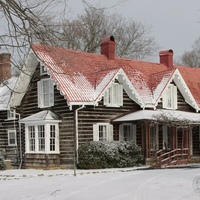 Rebel's Rest; a university guest house commemorating George Rainsford Fairbanks
  Russell, Richard Brevard, Jr.
  Scales, Percy Simolton
 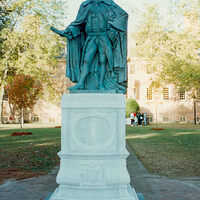 Sculpture dedicated to Norborne Berkeley, Lord Botetourt
  Sculpture of head and neck of Leonidas Polk
  Seal memorializing Greenville Woman’s College
 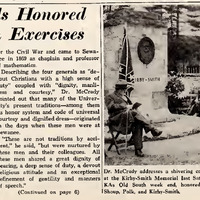 Sewanee Old South Day: Annual Commemorative Event of Kappa Alpha Fraternity at the University of the South
  Shipp Residence Hall; a residence hall named for Albert M. Shipp
 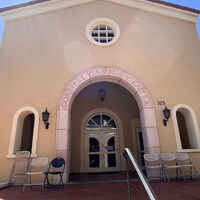 Skillman Building
 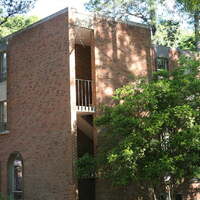 Spotswood Hall; residence hall dedicated to Spotswood, Alexander
 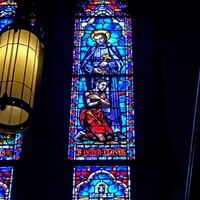 Stained glass portrait of St. Peter Claver baptizing a kneeling enslaved person
 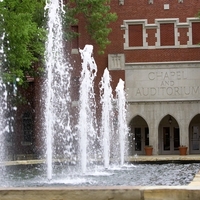 Staples Auditorium; Auditorium dedicated to Thomas S. Staples
 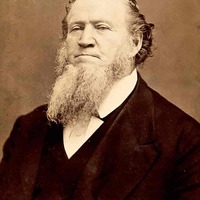 Stone memorializing Brigham Young
 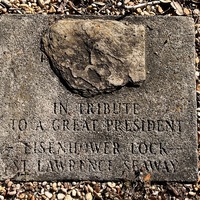 Stone memorializing Dwight Eisenhower
 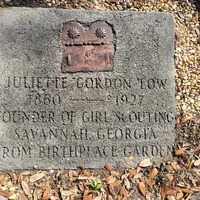 Stone memorializing Juliette Gordon Low
 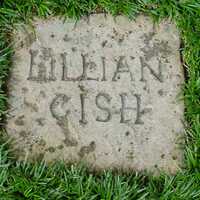 Stone memorializing Lillian Gish
 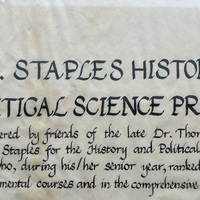 T.S. Staples History and Political Science Prize given to an outstanding history student; academic prize commemorating Thomas S. Staples
 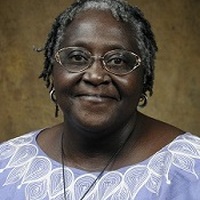 Tapia, Brenda L. Howard
 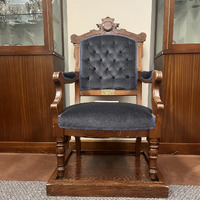 The Hooker Chair
 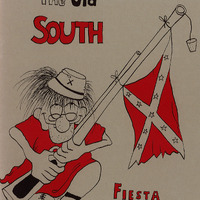 The Old South Fiesta; A one-time fundraising event and parade
  The Paul R. Jones Collection of American Art at The University of Alabama
  The Ryan Medal; an academic achievement medal named for Abram Joseph Ryan
  Thomas Cooper Library; library dedicated to Thomas Cooper
  Torrence, Clinton W.