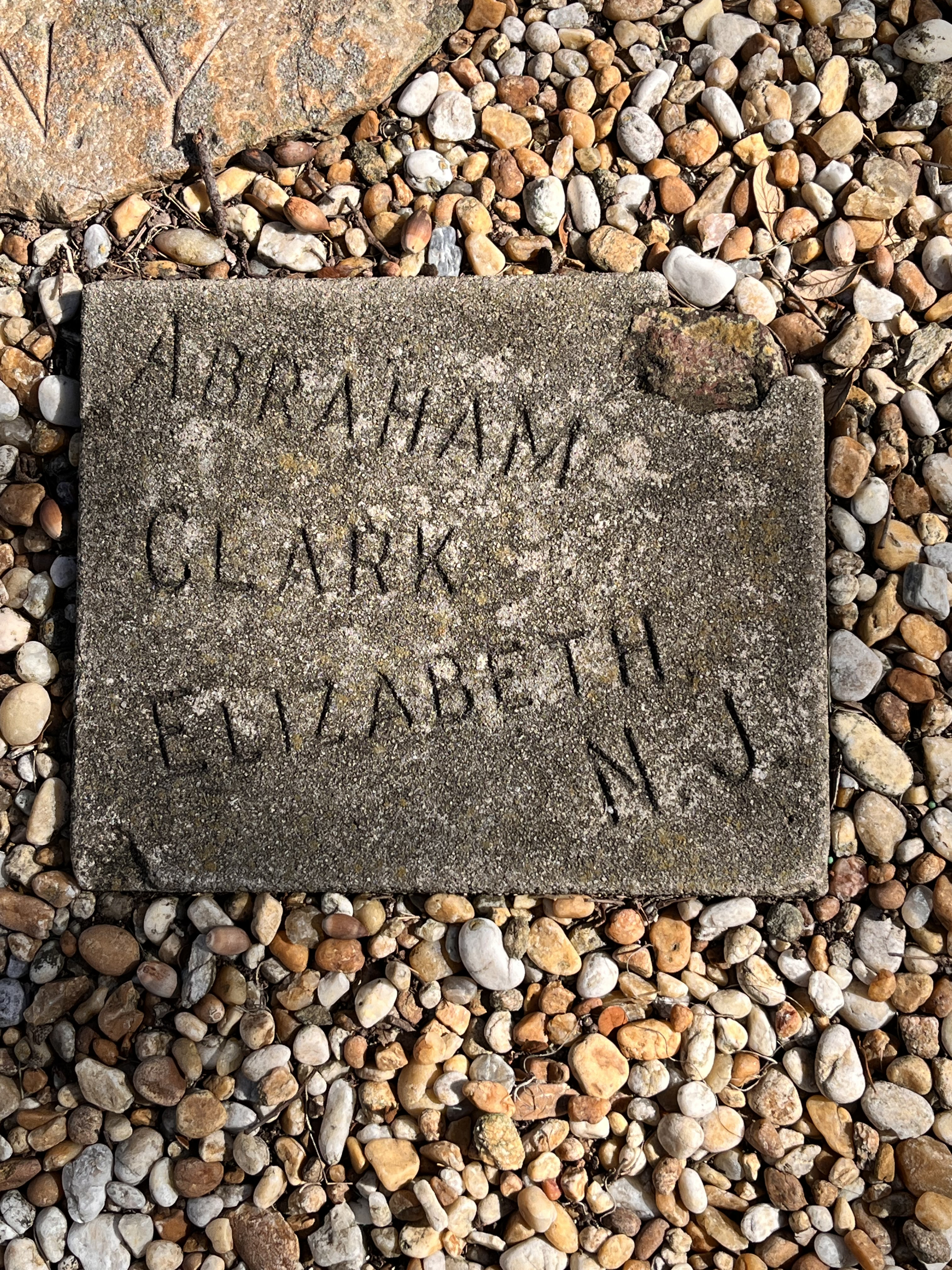
Stone memorializing Abraham Clark
Item
- Legacies Classification
- Memorial Type
- Memorial Context
- Memorialized Subject
- Title
- Background and Context
- Physical Description
- Memorial Inscription
- Creator/Participating Person(s)
- Date created, installed or dedicated
- Historical Period
- Funded by
- Campus Location
- Location: Institution, City, State
- Wikidata
-
Memorial Object
-
Plaque/Marker
-
Clark, Abraham
-
Stone memorializing Abraham Clark
-
The “Walk of Fame” was created in 1929 by then-president Hamilton Holt to honor significant historical figures. The memorial is located in the center of campus around Mills Lawn.
The stone was taken from the approximate site of the original Clark estate by Marie Howe in Rochelle, NJ. The original Clark house burned down in 1900, but a replica of the house was built a block away from the original location in 1941.
Abraham Clark (1726-1794) served in the Continental Congress, signed the Declaration of Independence, and later served in the United States Congress. He was born in Elizabethtown, PA, but lived in Rochelle, NJ for a majority of his life. He was a prominent lawyer who refused pay for his legal advice. This led him being called the 'poor man's councilor'. He owned 3 slaves, but provided documents that would free them upon his death in 1794. In 1786, The New Jersey legislature, in coordination with Clark, passed 'An Act to prevent the importation of Slaves...and to authorize the manumission of them under certain restrictions and to prevent the abuse of slaves.' This act allowed slaves to manumit if given written permissions from their owner.
-
a 1 foot by 10 inches stone plaque with a smaller stone imbedded in it
-
Abraham Clark.
Elizabeth N.J.
-
Howe, Marie
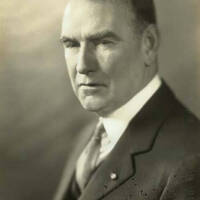
Holt, Hamilton
-
September 26, 1937
-
Marie Howe
Position: 2312 (41 views)