Jackson, Thomas Jonathan “Stonewall”
Item

">
- Connection to Legacies of American Slavery Database
- Name
- One-line bio
- Biography
- Date of Birth
- Date of Death
- Historical Period
- Learn More About this Subject
-
Jackson, Thomas Jonathan “Stonewall”
-
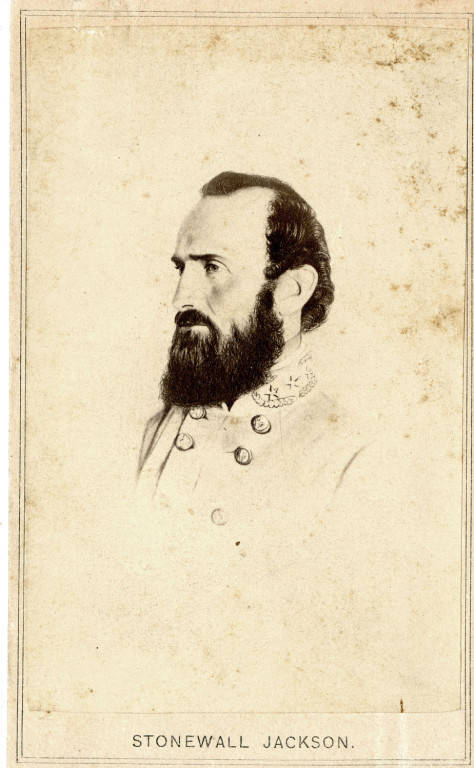
"Stonewall" Jackson was an antebellum VMI professor and Confederate general during the Civil War.
-
Jackson came to VMI as a professor of Natural and Experimental Philosophy and artillery instructor in 1851. A West Point graduate, Jackson had previously served in the U.S. Army during the U.S.-Mexico War. During his time at VMI, Jackson and his family lived in a house on Washington Street in Lexington; the house was restored in 1979 and is today operated by VMI as the Jackson House Museum. Jackson enslaved at least six individuals, including a man named Albert—whom Jackson “hired out” to VMI for $120 in January 1860—as well as Amy, Hetty, and Emma who labored in Jackson’s household. Jackson also participated in a Colored Sunday School in Lexington where he attempted to defend and buttress slavery.
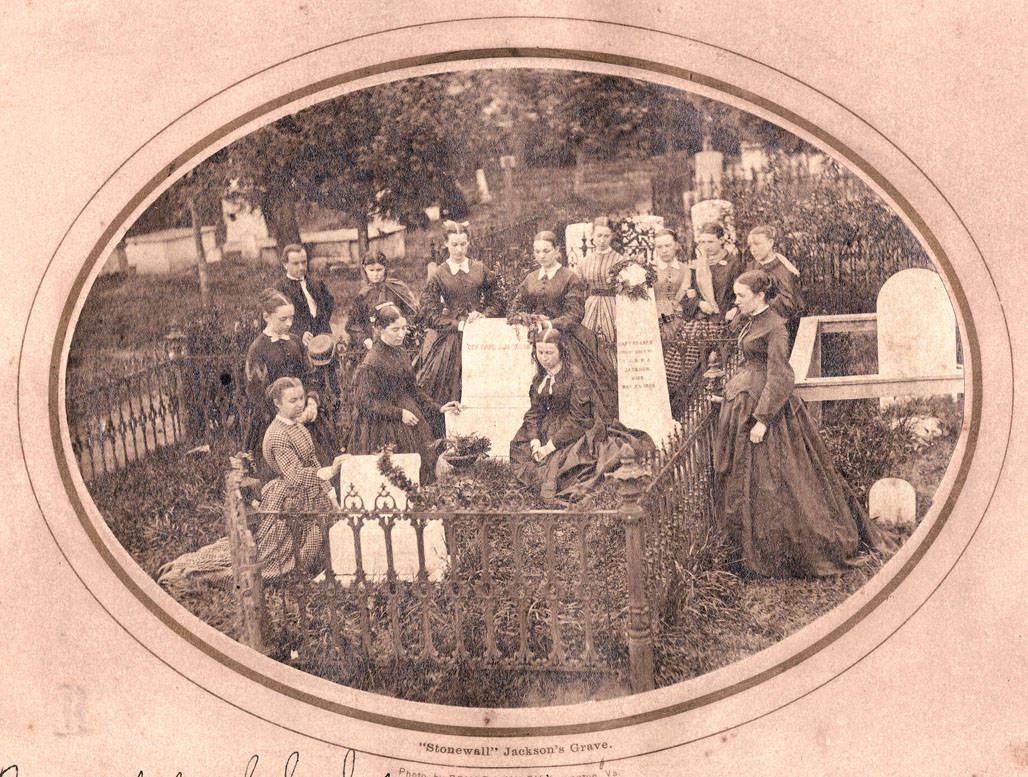
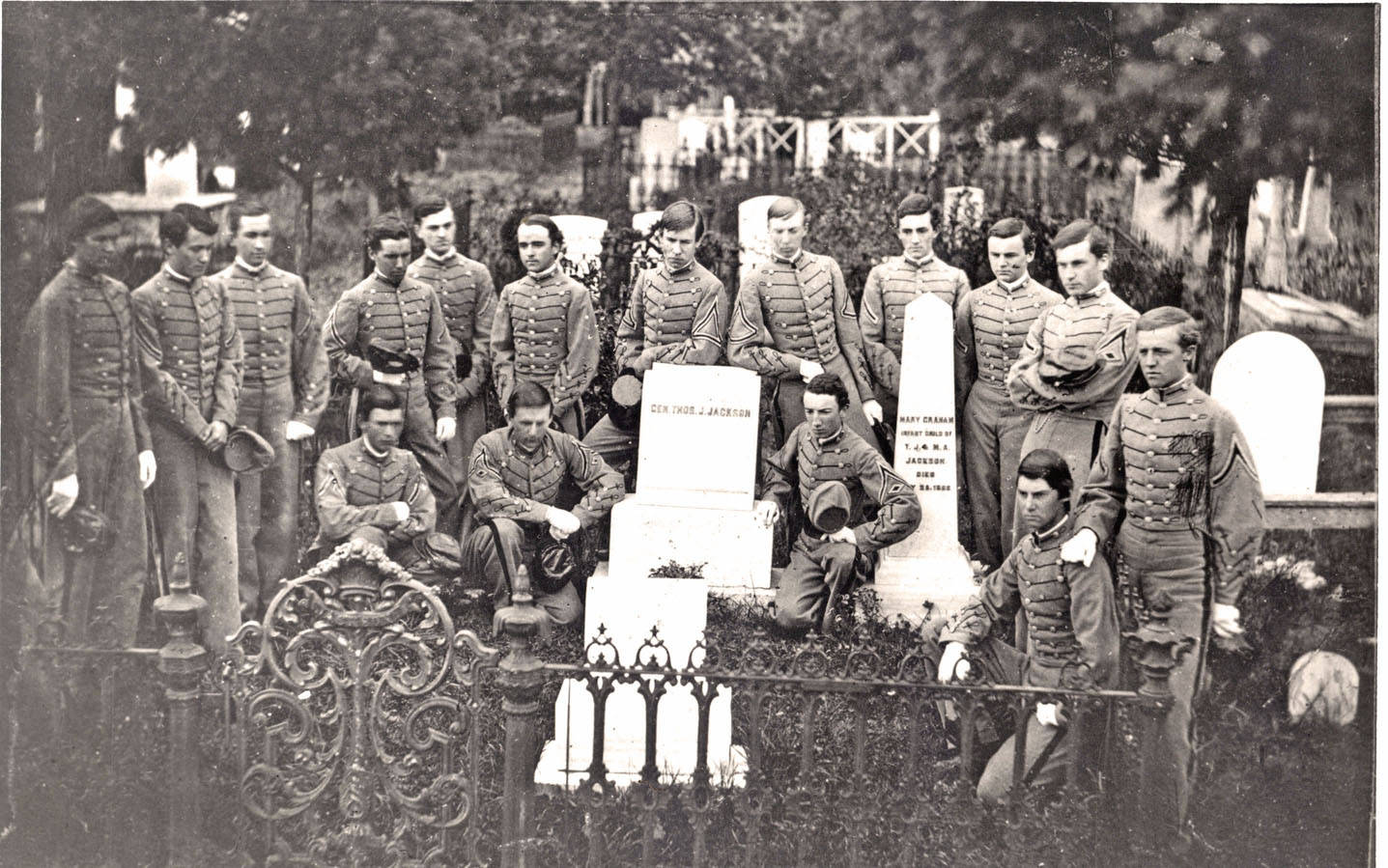
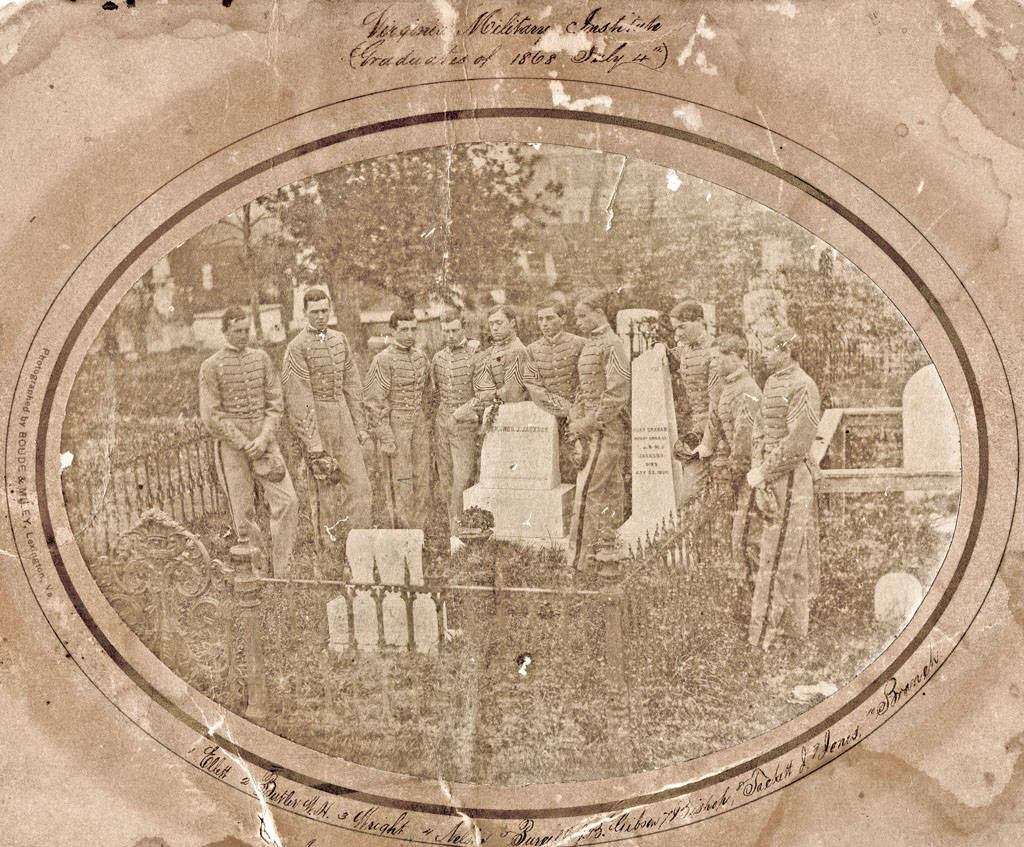
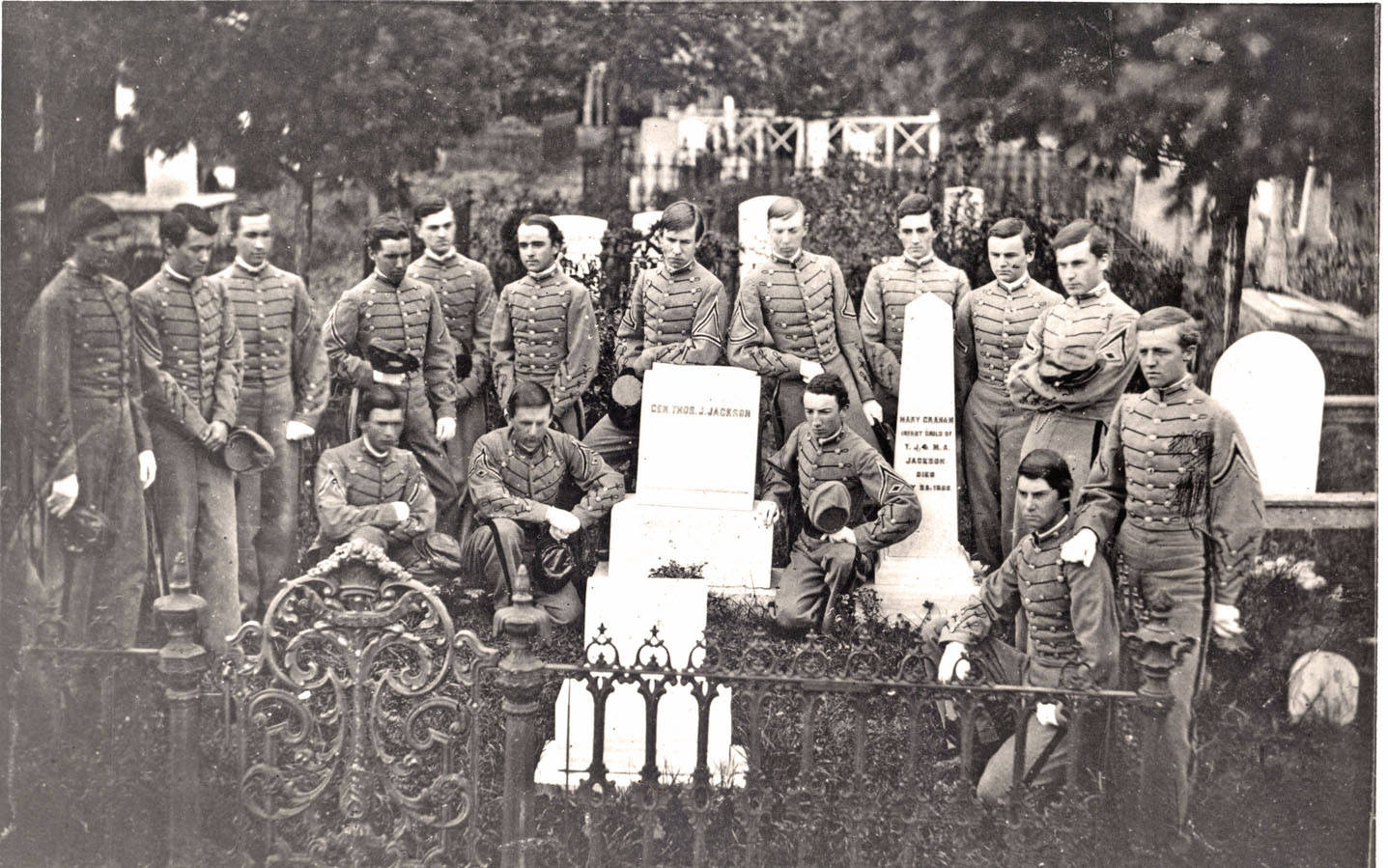
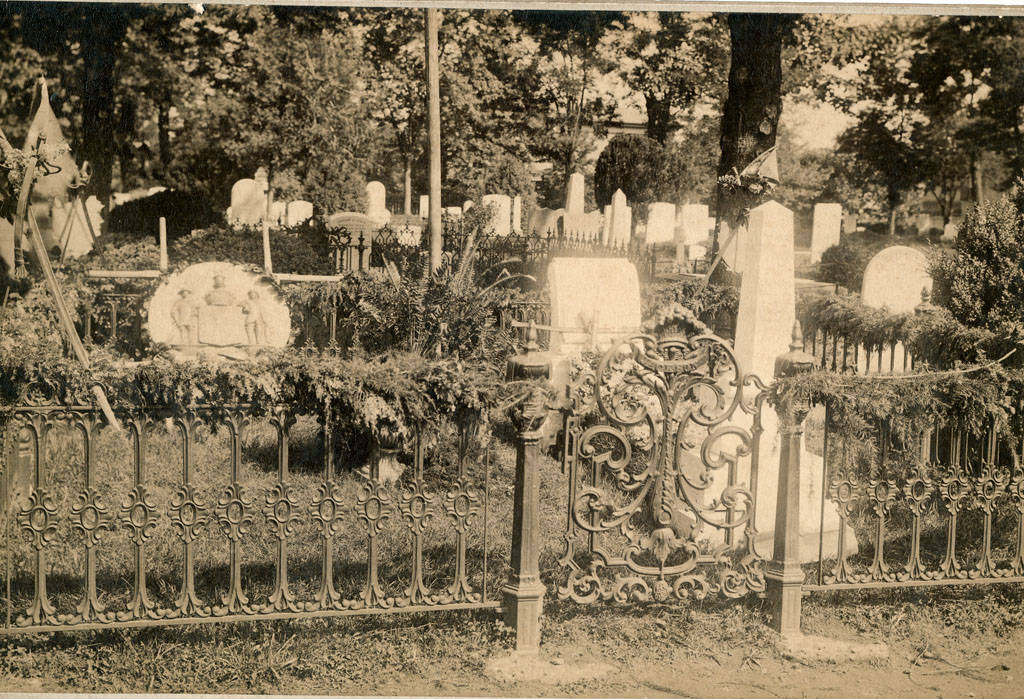
Jackson helped command the Corps of Cadets as it stood guard at the execution of abolitionist John Brown in 1859. When Virginia seceded in 1861, Jackson assumed command of Confederate troops at Harper’s Ferry, Virginia. After earning the nickname “Stonewall” at the Battle of Bull Run in 1861, Jackson returned to the agriculturally important Shenandoah Valley and repulsed numerically superior, but divided, Union forces during the 1862 Valley Campaign. His use of terrain and subterfuge during the campaign has been celebrated by proponents of the Lost Cause. Jackson subsequently became a principal figure in Robert E. Lee’s Army of Northern Virginia, fighting at numerous battles until suffering a “friendly fire” incident at Chancellorsville in May 1863, dying shortly thereafter of complications. Jackson’s body was conveyed to VMI, where it lay in state under the guard of cadets before being interred in Lexington's Presbyterian Cemetery (renamed Stonewall Jackson Memorial Cemetery in 1949; renamed Oak Grove Cemetery in 2020).
Jackson's legacy and memory were considerably shaped by the postwar efforts of Mary Anna Jackson, his widow, and Hunter H. McGuire, the Confederate surgeon who attended to Jackson at Chancellorsville. Considering Jackson’s celebrity, his grave has often attracted Confederate and Lost Cause pilgrims.
-
January 21, 1824
-
May 10, 1863
Position: 145 (252 views)


