Meredith Cornhuskin'
Item
- Legacies Classification
- Memorial Type
- Memorial Context
- Memorialized Subject
- Title
- Background and Context
- Creator/Participating Person(s)
- Date created, installed or dedicated
- Historical Period
- Location: Institution, City, State
- Learn More About this Subject
-
Memorial Event
-
Commemorative Events
-
Meredith College Student Body
-
Meredith Cornhuskin'
-
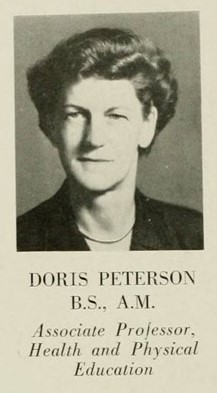
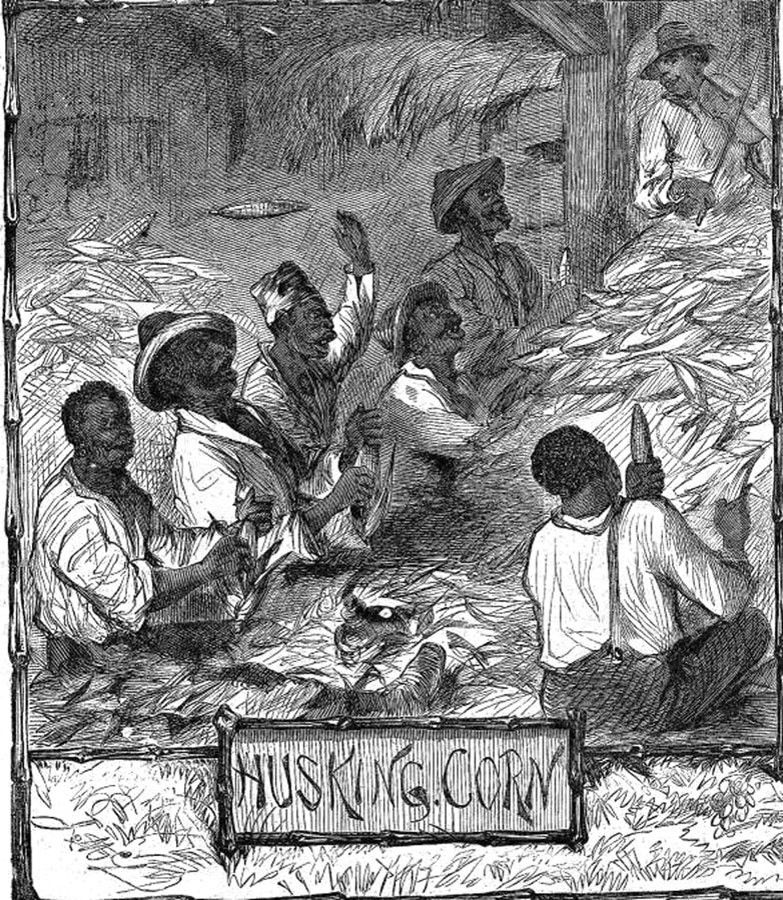
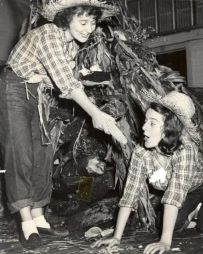
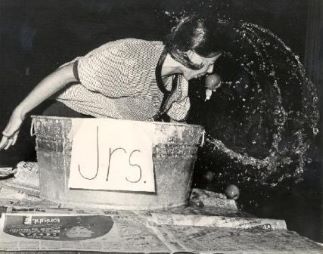
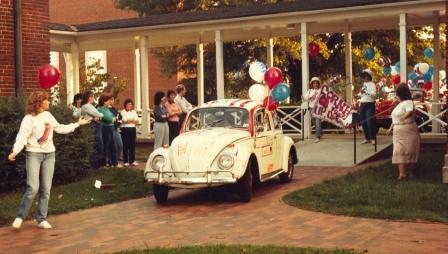
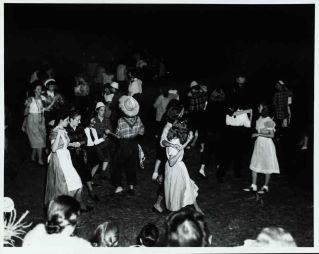
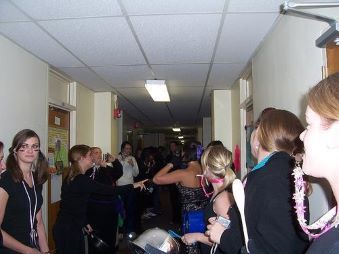
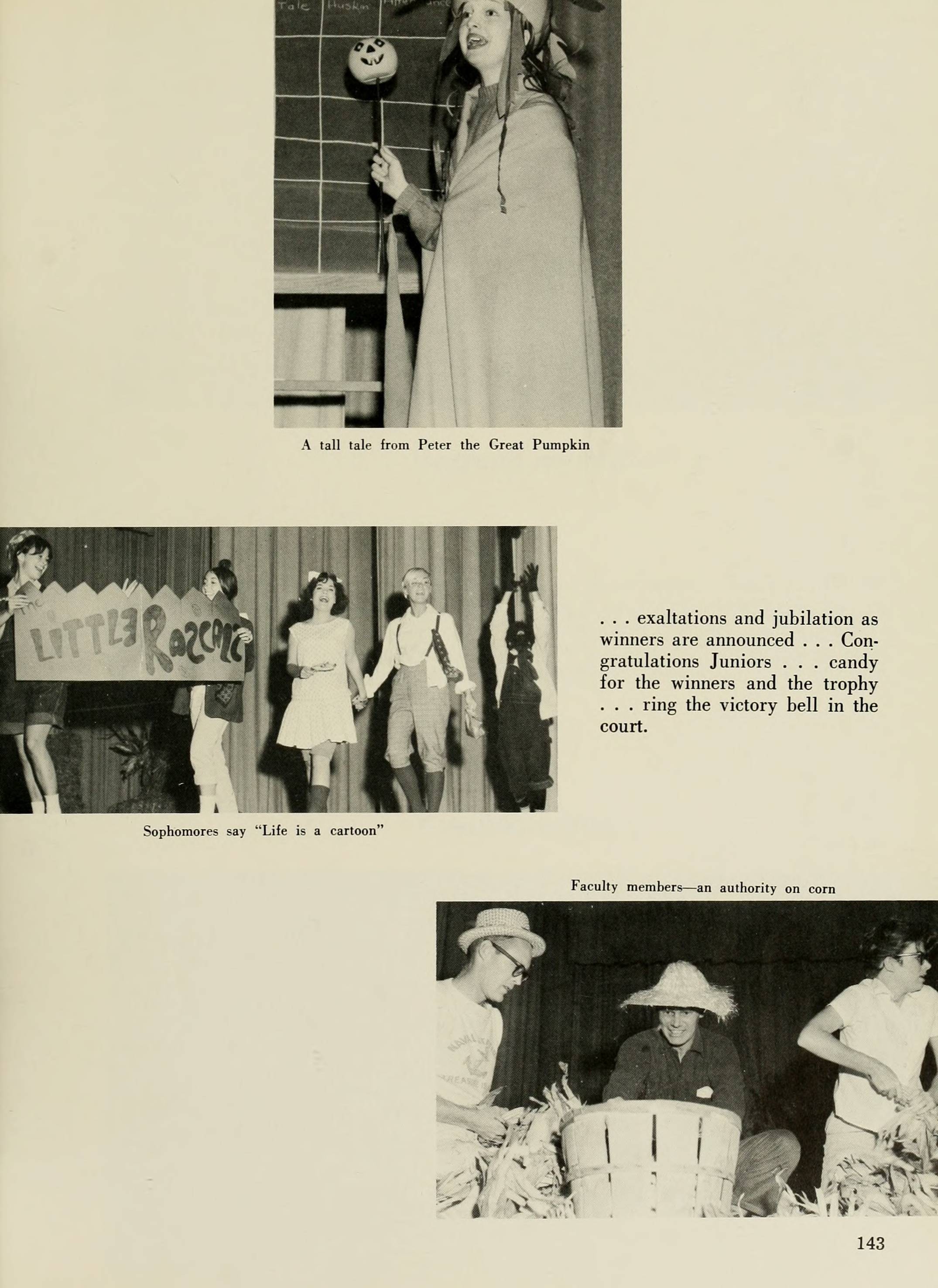
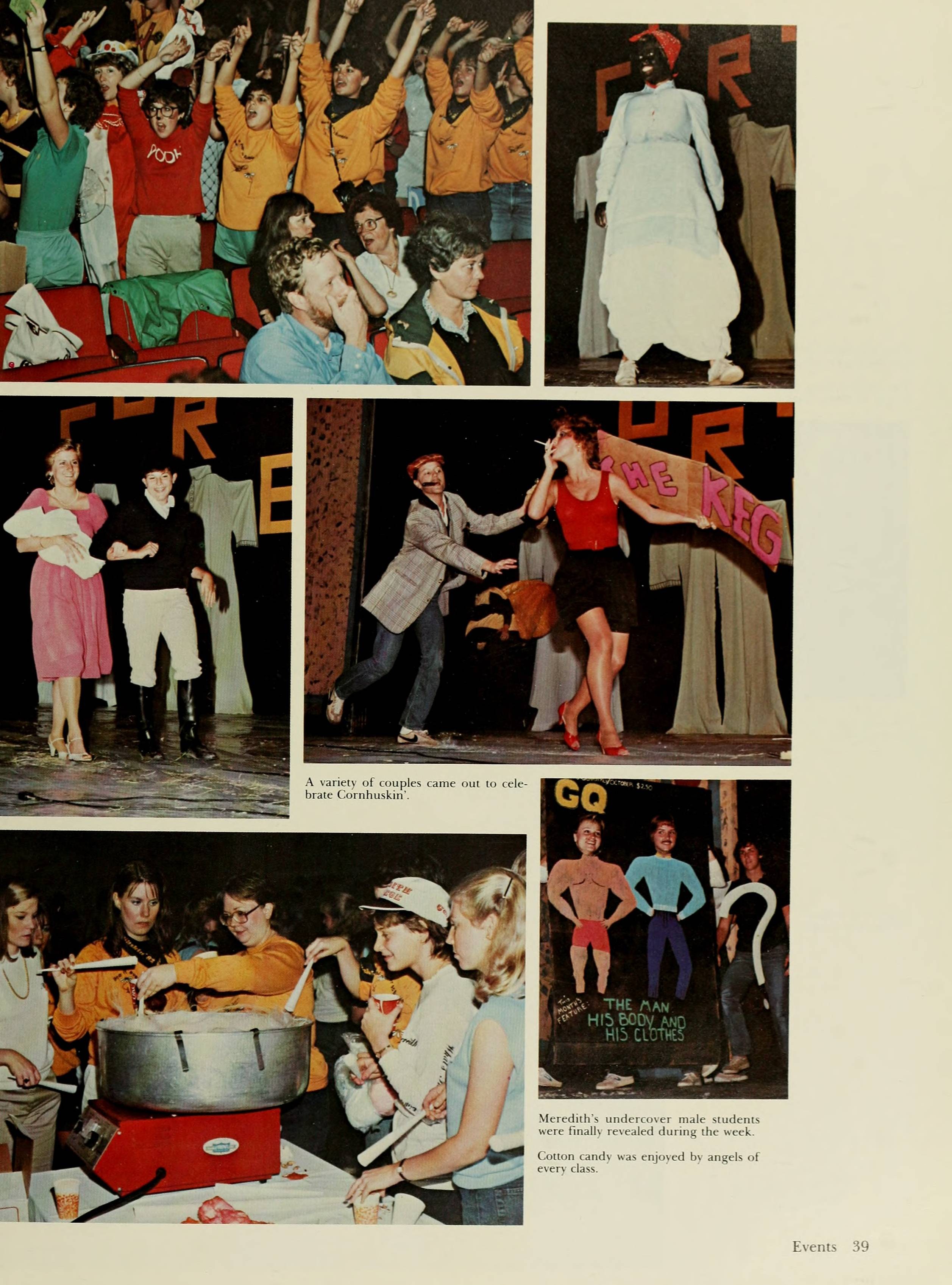
Cornhuskin’ as a Meredith tradition began in 1945 and was initiated by Doris Peterson, a physical education instructor, to promote comradery. The corn harvesting festival in Southern tradition is called ‘Corn Shucking,’ but Peterson’s roots in the Midwest resulted in the alternate name. This event was born from the Lost Cause movement based on its romanticization of the Old South. In the antebellum period, Corn Shucking included contests of agricultural skills and feasts for enslaved persons and was used to boost morale following the challenging harvest. Many of the events reinforced the racial hierarchy, such as enslaved persons parading the master of the plantation around his property on a chair while singing songs. Visitors to the antebellum South for such festivals often left with an idealized version of enslaved life and labor. Early photographs of Meredith’s “Cornhuskin’ Bee” showcase the strong connection to agriculture and the Lost Cause with exaggerated student costumes, including students in blackface, and events such as hog-calling, a corn shucking contest, and folk dances. Over time, these events have been discontinued along with ritualized hazing of lowerclassmen and ‘Midnight Raids.’ Student opinion on the event varies based on experience and knowledge of the antebellum tradition. Recent student criticism of the Cornhuskin' tradition appears in the student newspaper (see links below). Since 2021, Meredith College has worked towards increasing accessibility for students in response to student criticism. Meredith Cornhuskin' begins each year with a themed class parade on the weekend closest to Halloween.
-
Peterson, Doris
-
October 30, 1945
Position: 989 (88 views)