Cabell Hall
Item
- Legacies Classification
- Memorial Type
- Memorial Context
- Memorialized Subject
- Title
- Background and Context
- Physical Description
- Memorial Inscription
- Creator/Participating Person(s)
- Date created, installed or dedicated
- Date Modified
- Historical Period
- Funded by
- Location: Institution, City, State
-
Memorial Structure
-
Named Building
-
Joseph Carrington Cabell
-
Cabell Hall
-
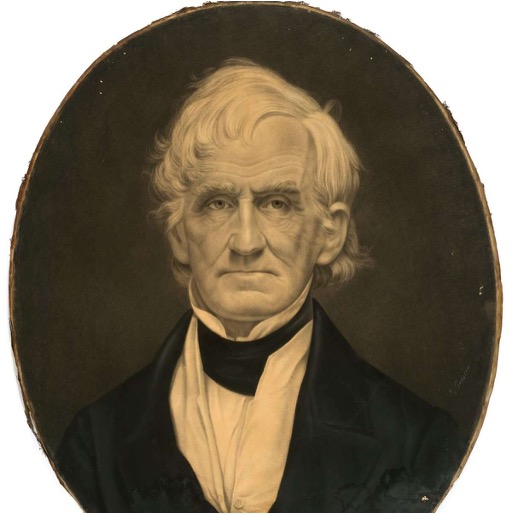
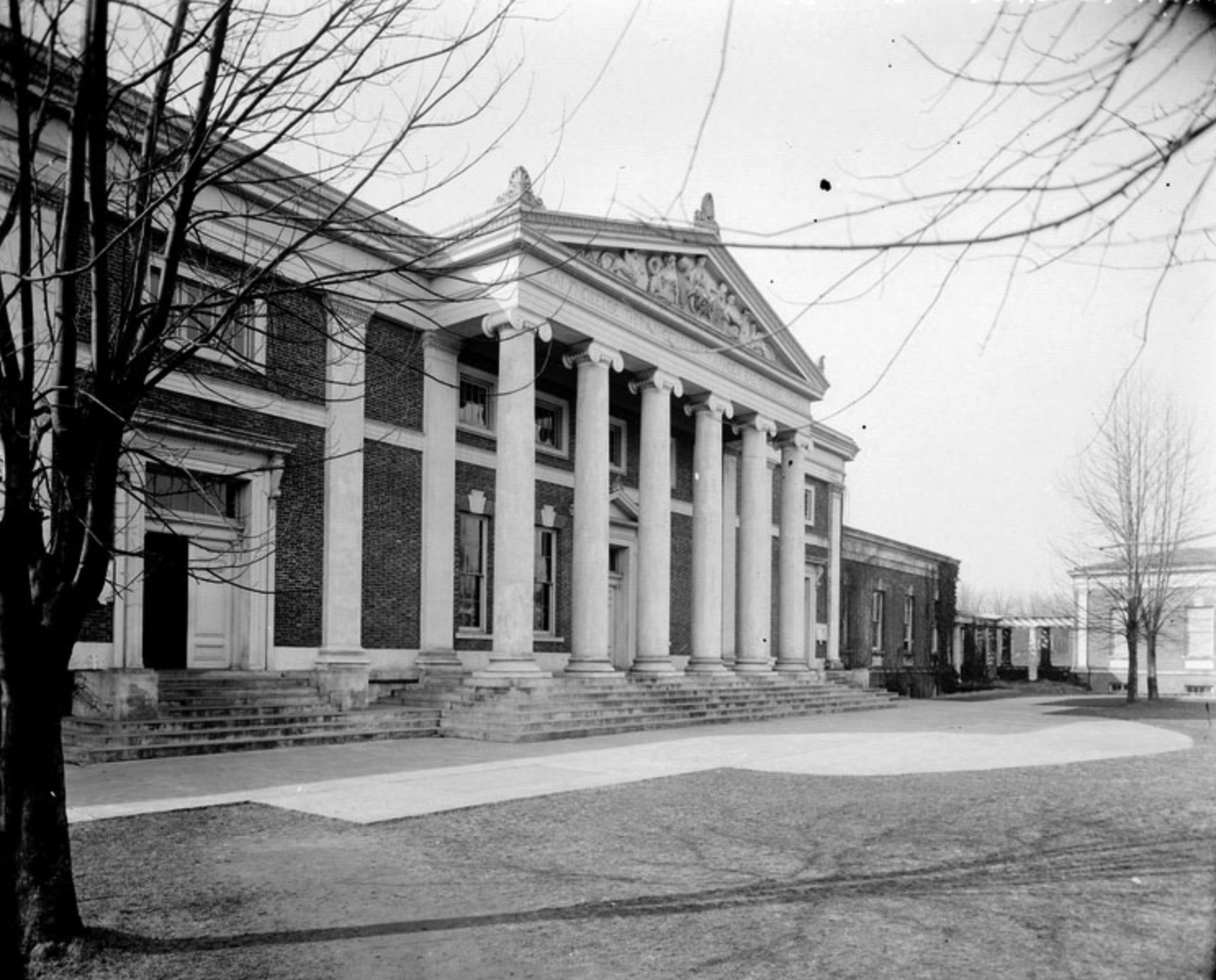
Cabell Hall, completed in 1898 and located at the southern end of the Lawn at the University of Virginia, is named after Joseph Carrington Cabell, a Virginia legislator and close ally of Thomas Jefferson. Cabell played a key role in the university’s founding by helping to secure state funding and shaping its early governance through his long tenure on the Board of Visitors, which he joined in 1815 and remained on until shortly before his death in 1856.
Cabell was also a slaveholder. He is recorded as enslaving at least 108 people across his properties in Nelson County alone. These enslaved individuals labored at estates such as Edgewood, one of his principal plantations, and Corotoman, a property in which he owned a share. Cabell treated enslaved people as financial assets, shifting and selling them to increase profit without regard for family separations. He insisted on having enslaved workers whipped or beaten and dismissed concerns from his estate manager about the disruptive effects of his practices. Enslaved individuals frequently attempted to escape from Corotoman, reflecting the harsh conditions under Cabell’s oversight. His views on race aligned with dominant proslavery ideology, including support for black colonization and the belief that African Americans were incompatible of freedom and civilization in a republic led by white men. His important legacy as a founder of the University of Virginia cannot be understood without acknowledging the system of race-based slavery that sustained his wealth, power, and position in Virginia society.
-
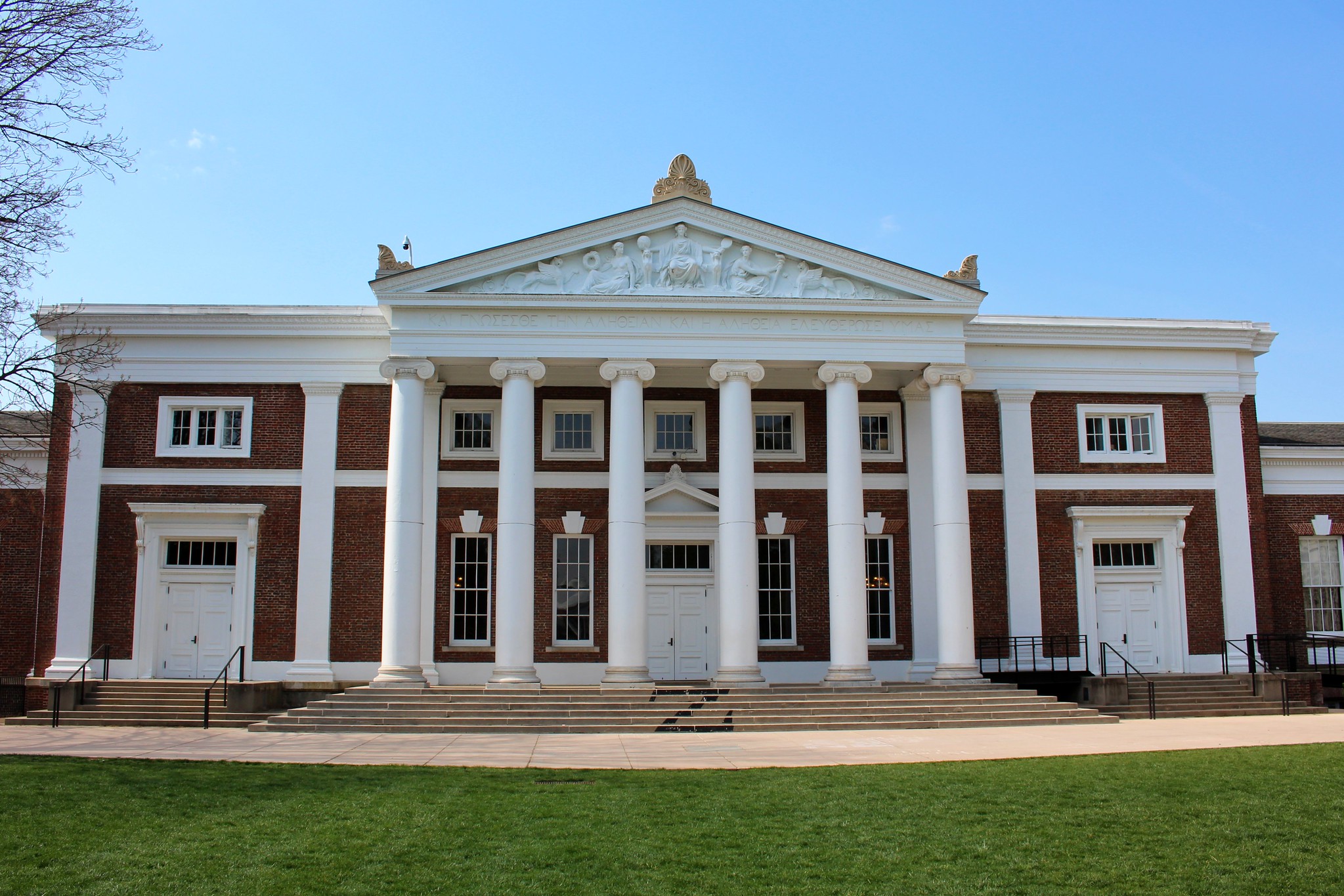
Cabell Hall is a grand, neoclassical-style academic building that is constructed primarily of red brick, following the Jeffersonian architectural tradition, and features a white portico with ionic columns that create a stately entrance. The building's white trim and cornice add to its classical aesthetic, while large arched windows allow natural light to filter into the interior. Inside, the building's most notable feature is its auditorium, which serves as a concert hall and lecture space. The auditorium is designed with wood-paneled walls, chandeliers, and tiered seating that includes both orchestra-level seats and a balcony. A defining artistic element of the auditorium is the "School of Athens" mural. Architect Stanford White designed the auditorium so that the audience would face the Rotunda; the mural above the stage is intended to suggest that Plato and Aristotle seem to be walking down the Lawn towards the audience, symbolizing the university's dedication to classical education and intellectual tradition. Since the construction of the adjacent "New Cabell Hall" in 1952, the original Cabell Hall is now known as "Old Cabell Hall."
-
“Ye shall know the truth, and the truth shall make you free.”
-
The architect Stanford White of McKim, Mead & White spearheaded the construction of Cabell Hall.
-
1898
-
1952
-
Virginia General Assembly; UVA Board of Visitors
Position: 1213 (73 views)