1865-1890: Emancipation, Reconstruction and Resistance to Reconstruction
Item
- Title
- Description
-
1865-1890: Emancipation, Reconstruction and Resistance to Reconstruction
-
This timeline designation enables the temporal indexing of persons and memorials, monuments, or other objects and places to persons who were active in resurrecting and/or influencing institutions of higher education and related entities in the three decades after the end of the Civil War. Such persons may have resisted social and political policies, arrangements, and alliances associated with Reconstruction, including the extension of civil and legal protections to freed persons by the passage of the Thirteenth, Fourteenth, and Fifteenth Amendments. These persons (or the monuments dedicated in their name) may have engaged in educational practices that advocated white supremacy, taken formal political actions (such as election to office) to “redeem” the southern state and local governments. Even as African Americans pursued full participation in political, economic, and social life, white southerners joined (or publicly defended) violent organizations like the Ku Klux Klan and similar paramilitary bodies that terrorized Black male voters and politicians and their white Republican allies. This period includes the imposition of “Black codes” at the state level and the resulting rise of Black “convict leasing” and other forms of re-enslavement. The period also saw the spread of white organizations in the South that recognized and honored veterans of the Confederate military (such as Ladies’ Memorial Associations and veterans groups). In the academy, a new generation of instructors developed and taught a literatureof pseudo-scientific theories arguing for the innate inferiority of Black persons and justifying their social and political suppression.
Position: 7130 (13 views)
Related Items
 The Mound (former site of Franklin Hall); a green knoll honoring the University's Confederate past
  The Ryan Medal; an academic achievement medal named for Abram Joseph Ryan
 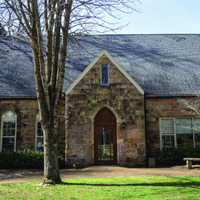 Thompson Union: a building dedicated to Jacob Thompson
  Tree planted in memory of John N. Waddel
 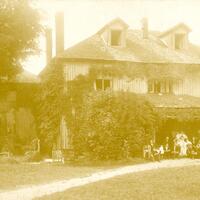 Tremlett Hall; a residence hall dedicated to the Rev. Francis W. Tremlett
 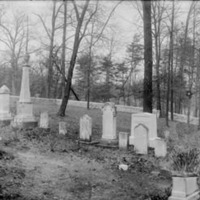 UVA Cemetery; a historically white cemetery
  Waddel, John N.
  Wallace, David Duncan
  Weed, Edwin Gardner
  Wightman, William May
  Wilmer, Richard Hooker
 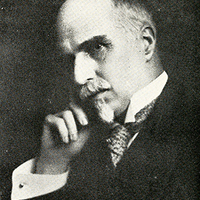 Winston, Robert W.
 Cherrydale Alumni House
 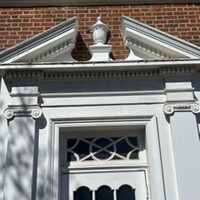 Peters Portal; A Dormitory Named for William Elisha Peters