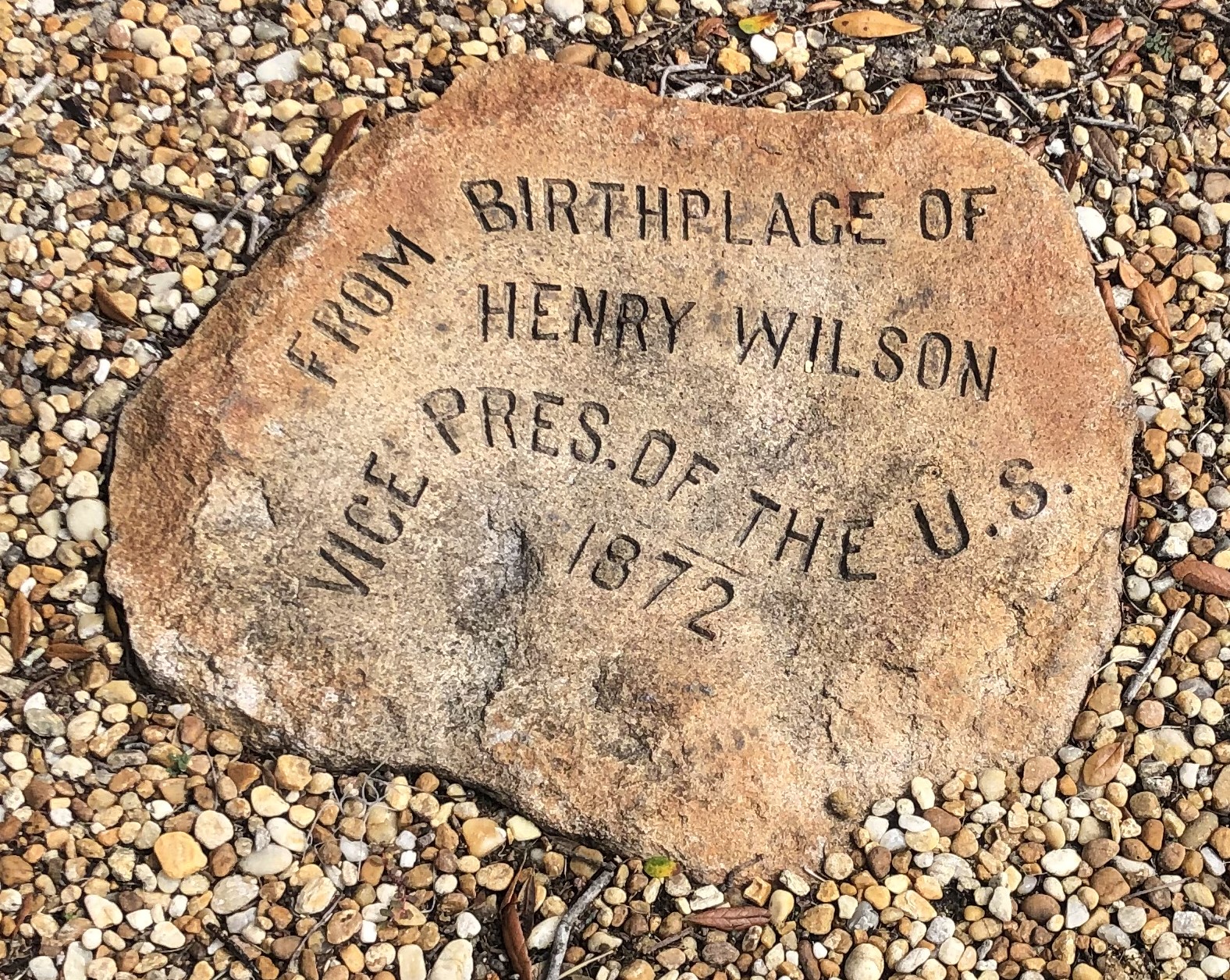
Stone memorializing Henry Wilson
Item
- Legacies Classification
- Memorial Type
- Memorial Context
- Memorialized Subject
- Title
- Background and Context
- Physical Description
- Memorial Inscription
- Creator/Participating Person(s)
- Date created, installed or dedicated
- Historical Period
- Funded by
- Campus Location
- Location: Institution, City, State
- Learn More About this Subject
-
Memorial Object
-
Plaque/Marker
-
Wilson, Henry
-
Stone memorializing Henry Wilson
-
This memorial is part of Rollins College’s Walk of Fame, a semicircular walkway featuring stones sourced from locations associated with notable historical figures or sites. The stones feature inscriptions identifying its origin and/or the memorialized subject associated with it. The Walk of Fame was started in 1929 by former Rollins College President Hamilton Holt, who collected many of the initial stones during trips. The initial intent of the walk was to “display people who changed history, for better or worse,” but its purpose has been reinterpreted over the years, with current interpretations urging that the walk contain the stones of people who “Rollins want[s] to lift up and celebrate the people who… identified with [the college’s] values.”
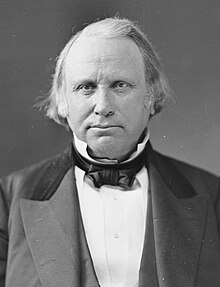
Henry Wilson (born Jeremiah Jones Colbath) was a staunchly anti-slavery politician who championed equal civil rights following the Civil War. He dedicated his political career to the abolition of slavery and to the furthering and protection of civil rights for African Americans. During the Civil War, he introduced bills abolishing slavery in Washington, D.C. and initiating the inclusion of African Americans in the Union Army. Later he worked to add amendments to bills that acknowledged all formerly enslaved African Americans enlisted in the Union Army and their families as permanently free and required equal salaries and military benefits. Following the end of the Civil War, Wilson introduced a bill dedicated to protecting the civil rights of African Americans. Although this bill did not pass Congress, it became the foundation for the later Civil Rights Act of 1866, which was passed. Wilson served as Vice-President under Ulysses S. Grant from 1873 until his death in 1875.
In 1935, a Will Rogers visited the former home of Henry Wilson in Farmington, New Hampshire where he retrieved this stone. The stone was then inscribed and donated to Rollins College for its inclusion in the ‘Walk of Fame.’
-
A rough stone approximately the size of a throw pillow which was sourced from the birthplace of Henry Wilson with an identifying inscription indicating the origin of the stone and the memorialized subject. The stone is located in an ornamental border beside the sidewalk surrounding the area known as Mills Lawn. Size 20 in X 17 in.
-
From birthplace of/ Henry Wilson/ Vice Pres. of the U.S./ 1872
-
Rogers, Will
-
1935
-
Rollins College
Position: 1126 (79 views)