Gailor, Thomas Frank
Item
- Connection to Legacies of American Slavery Database
- Name
- One-line bio
- Biography
- Date of Birth
- Date of Death
- Historical Period
- Wikidata Link
-
Gailor, Thomas Frank
-
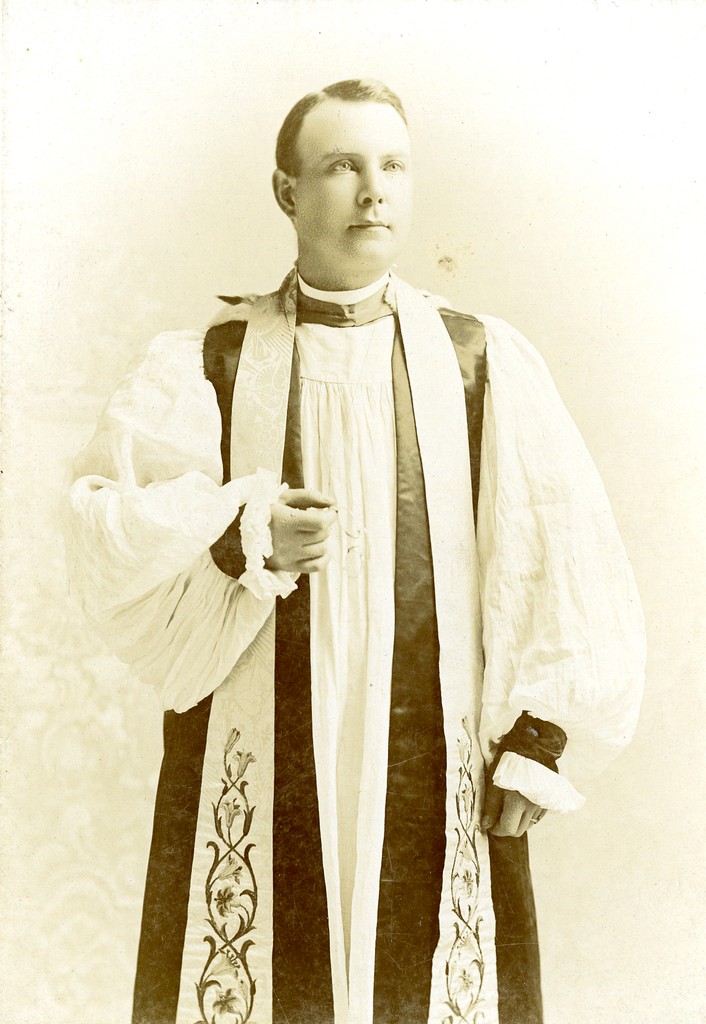
The Episcopal Bishop of Tennessee and Chancellor of the University of the South for more than 25 years, Thomas Frank Gailor was an outspoken believer in paternalistic white racial supremacy, an apologist for slavery, and defender and promoter of the Lost Cause.
-
Born in 1856, Thomas Frank Gailor grew up in Jackson, Mississippi, and Memphis in an atmosphere of fire-breathing secessionism, pro-slavery agitation, and romanticized Confederate military lore. Gailor was not a slave-owner, but he was nurtured in a household reliant on enslaved labor and whose patriarch either leased or owned enslaved people. His newspaper editor father enlisted in the Confederate Army in 1861 and died in battle.
Gailor was educated at Racine College in Wisconsin and prepared for the ministry at the General Theological Seminary in New York City. He arrived in Sewanee in 1882, and served as professor of ecclesiastical history and polity and university chaplain. From 1890-93, he was vice-chancellor, but left to be assistant bishop of Tennessee. In 1898, he became the third bishop of Tennessee. Ten years later, he became the eighth Chancellor of the University and served until his death.
Gailor was a recognized authority on the “Negro problem,” the euphemism white Americans used to encompass the social disorder they attributed to Black Americans. For his time, Gailor was a “moderate” white supremacist. He spoke frankly about the racial superiority of whites and the necessity of segregation to preserve Anglo Saxon purity. Yet he also denounced lynching and demanded that African Americans be afforded the same legal rights and protections that whites enjoyed.
Gailor was the University’s most respected exponent of the “Lost Cause.” He celebrated the Confederacy and secession and viewed antebellum slavery as a humane practice that benefited the enslaved. Gailor’s “life and ideas,” writes historian Charles Reagan Wilson, “made him one of the most important interpreters of the Lost Cause” of his era and fostered Sewanee’s reputation as one of the South’s “major institutional shrines to the Lost Cause.”
-
1856
-
1935
Position: 10749 (11 views)
Related Items
 Fragment of Original Cornerstone in memory of the founding of the University of the South
 Gailor Memorial Dining Hall; a dining hall and dormitory dedicated to Thomas Frank Gailor
  Let's Talk Poster series identifying subjects memorialized by buildings of the University of the South
  Painted Portrait of Thomas Frank Gailor
 Armstrong, Louise Claiborne
  Shoup, Francis A.